
Why Rehabilitation Work Remains One of Underground Mining’s Toughest Ground Support Challenges
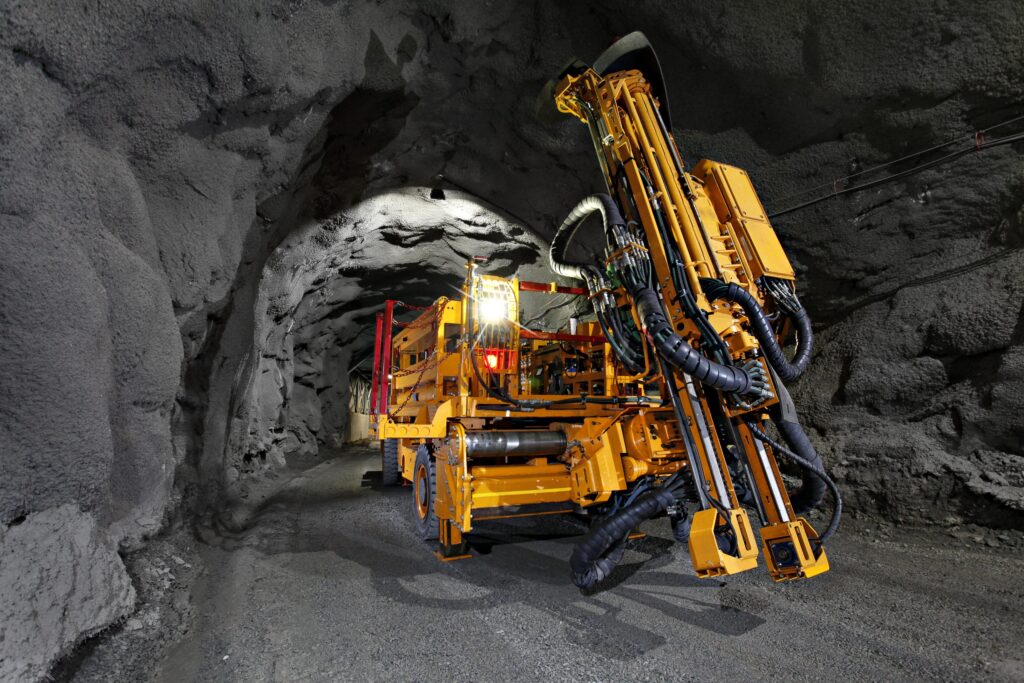
Ground support rarely makes headlines, yet it is one of the most critical factors influencing safety, productivity, and operational continuity in underground mining. For mine managers, maintenance leaders, geologists, and rock mechanics engineers, rehabilitation work presents a particularly difficult challenge: how do you restore and reinforce deteriorating ground conditions without creating additional exposure to risk or disrupting production?
As underground mines extend deeper and infrastructure ages, rehabilitation programs are becoming increasingly important. Damaged screening, loose rock, and changing ground conditions can impact both worker safety and operational efficiency, making effective ground support strategies essential for long-term mine performance.
The Operational Pain Points of Rehabilitation Work
Unlike routine development bolting, rehabilitation work often takes place in areas where existing support systems have already deteriorated.
Common challenges include:
- Torn or damaged screen mesh
- Loose ground requiring scaling
- Restricted working areas
- Production interruptions during repairs
- Increased worker exposure to unstable conditions
- The need to install new support systems while maintaining access and productivity
For operations teams, every rehabilitation project involves balancing two critical objectives: restoring ground stability as quickly as possible while maintaining the highest safety standards.
What Modern Mining Operations Need from Ground Support Equipment
To address these challenges, mines are increasingly looking for equipment that delivers more than conventional bolting capabilities.
Key requirements include:
Enhanced Operator Safety
Workers need the ability to perform rehabilitation activities while remaining protected from potentially unstable ground. Equipment that allows operators to work from safer positions can help reduce exposure during scaling, screening, and bolting activities.
Greater Operational Flexibility
No two mines face identical ground conditions. Support requirements can vary significantly depending on geology, stress environments, and ground control strategies. Equipment that accommodates multiple support products provides greater flexibility when conditions change.
Increased Productivity
Ground support activities directly impact the mining cycle. Reducing downtime, streamlining bolting processes, and improving operator efficiency can help maintain production schedules while meeting ground control requirements.
Simplified Maintenance and Fleet Management
For maintenance teams, versatile equipment can help reduce complexity by supporting multiple applications without extensive modifications or specialized configurations.
One Example: The MacLean 975 Omnia Bolter
One solution designed to address these industry challenges is the MacLean 975 Omnia Bolter.
The machine was developed to support rehabilitation and ground support activities while helping operators work from reinforced areas during demanding underground conditions.
During rehabilitation work, operators can remove loose material, restore screening, and install new support systems while remaining positioned beneath previously supported ground. This approach helps improve safety while maintaining access to the work area.
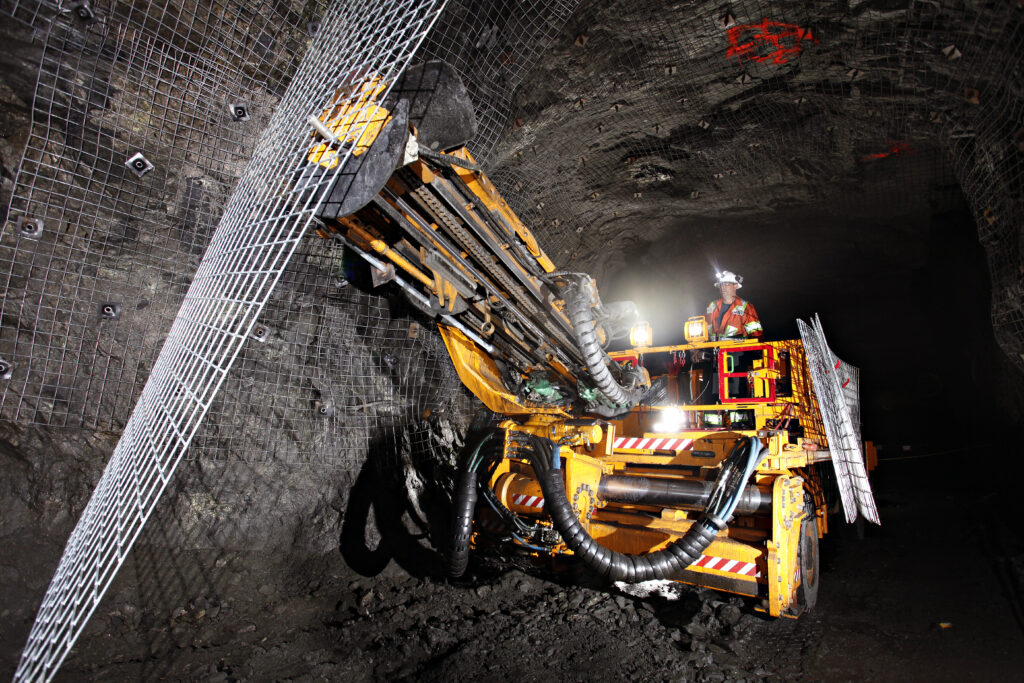
The platform also offers significant flexibility by enabling crews to work with a wide range of support consumables without major machine reconfiguration. Depending on site requirements, operators can install:
- Solid steel straps
- Zero-gauge straps
- Various dynamic bolt systems
- Up to 15m long cable bolts
- Other support products selected by engineering teams
This flexibility allows support decisions to be driven by ground conditions rather than equipment limitations.
Improving Ground Support Efficiency Through Automation
Productivity remains a key objective across all underground operations.
One notable trend within modern ground support equipment is the increasing use of automation to reduce non-productive time.
The 975 Omnia incorporates a continuous bolting cycle that automates portions of the drilling and bolting process once the bolt and plate have been loaded. While the machine completes part of the cycle, operators can prepare additional consumables, organize materials, inspect surrounding conditions, and plan subsequent activities.
Although ground support will always require experienced personnel and engineering oversight, automation can help crews make more effective use of available time and resources.
Emerging Technologies Shaping the Future of Ground Support
The next generation of ground support equipment is being shaped by three major themes:
Higher Drilling Performance
As mines encounter harder rock formations and more challenging development conditions, demand continues to grow for higher-powered drilling solutions capable of maintaining productivity.
Faster Installation Systems
Innovations such as pumpable resin technologies are aimed at simplifying installation processes and reducing cycle times.
Improved Material Handling
Enhanced screen handling systems can help reduce manual effort, improve ergonomics, and increase efficiency during rehabilitation activities.
Together, these developments reflect a broader industry focus on improving safety while increasing operational effectiveness.
The Bottom Line
Underground rehabilitation work remains one of the most complex and safety-critical activities in mining. As operations seek to improve both productivity and worker protection, demand is growing for equipment that combines flexibility, automation, and rehabilitation capabilities within a single platform.
The MacLean 975 Omnia Bolter provides one example of how equipment manufacturers are responding to these evolving needs. More broadly, its design highlights a larger industry trend: ground support technology is increasingly focused on helping mines work safer, adapt faster, and maintain productivity in increasingly challenging underground environments.
Connect with our team to discuss the unique requirements of your mine site and ground conditions.
About the Author
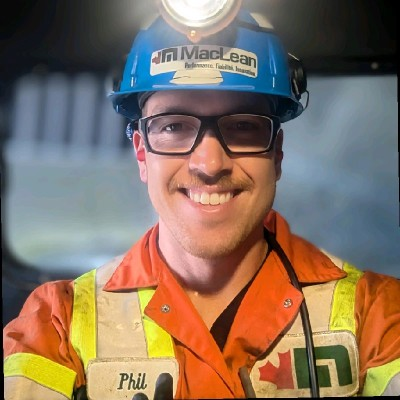
Philippe Niesing
Product Manager – Bolting
Philippe is the Product Manager, Bolters at MacLean, where he works closely with mining operations, ground support specialists, and engineering teams to advance underground bolting and rehabilitation technologies.
With extensive experience in underground mining applications, Philippe focuses on developing solutions that enhance operator safety, improve productivity, and provide the flexibility needed to address evolving ground control challenges. His work supports MacLean’s ongoing commitment to innovation in underground ground support systems across mining operations worldwide.

